How Self-Healing Paint Protection Film Fights Road Salt Damage in Buffalo, NY
Every winter, Buffalo roads turn white twice. First from lake-effect snow, then from the salt used to melt it. Road crews across Western New York spread rock salt and spray liquid brine before storms to keep the Thruway, the 33, and the 290 drivable. That keeps traffic moving, but it also coats your car in a gritty, corrosive mix for months at a time.
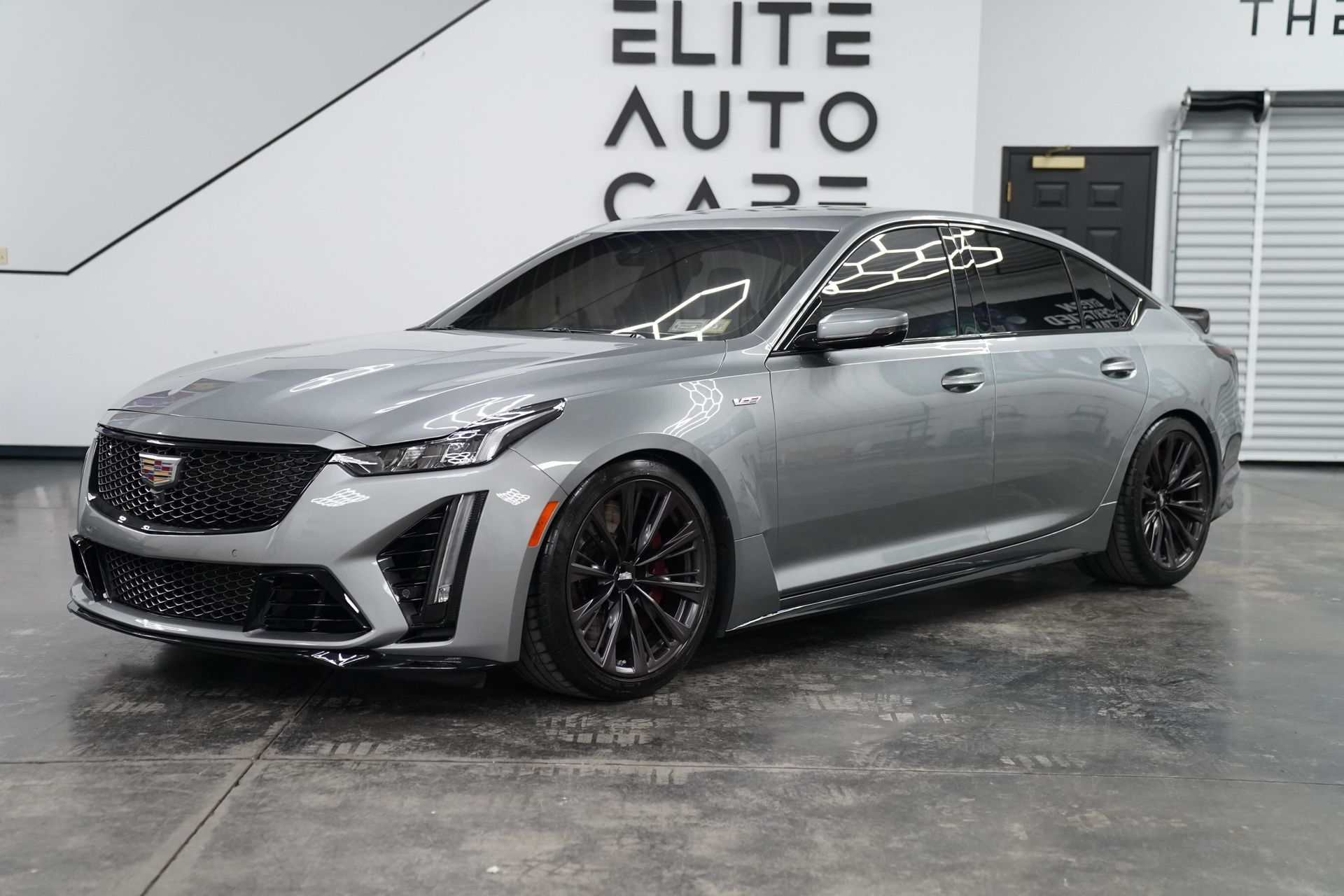
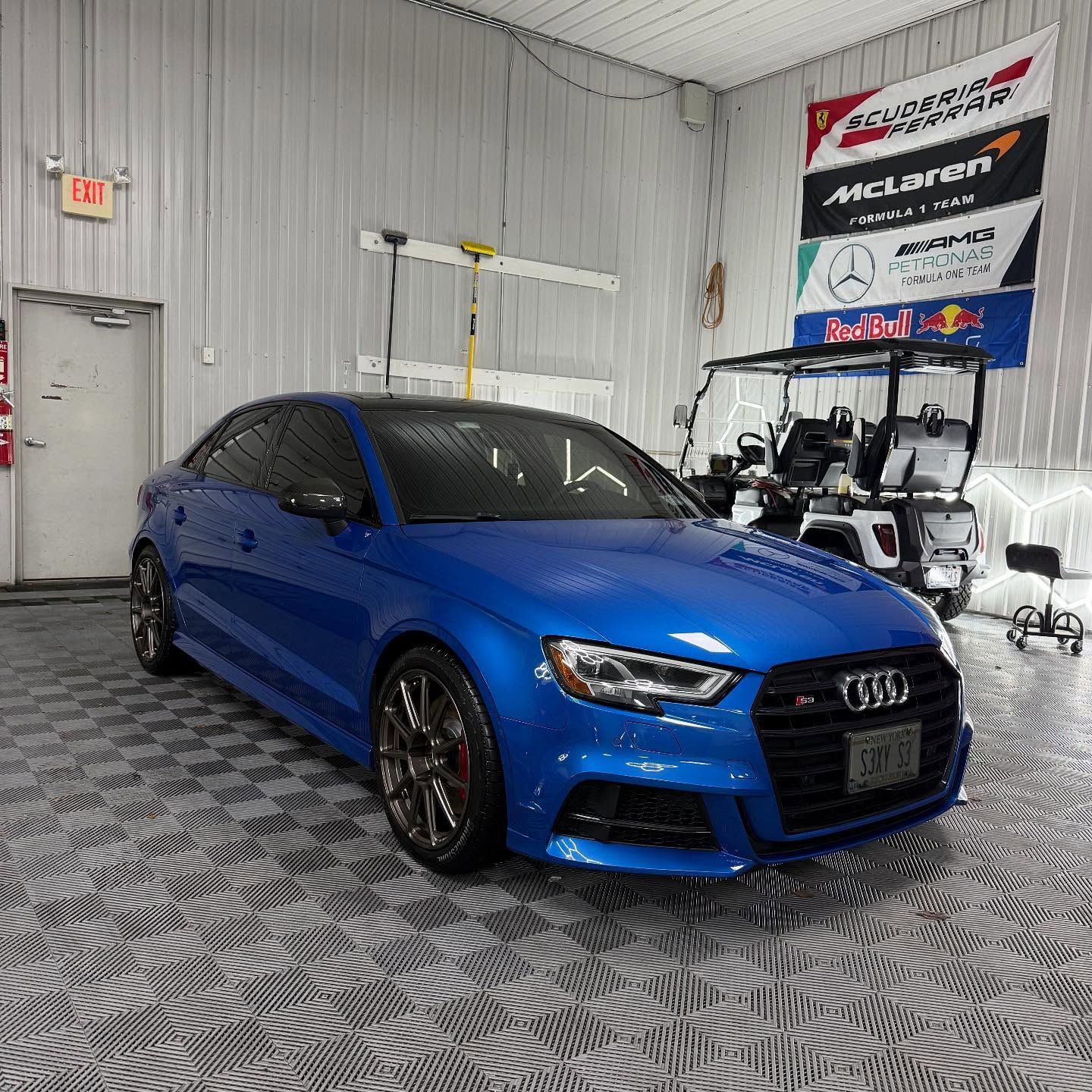
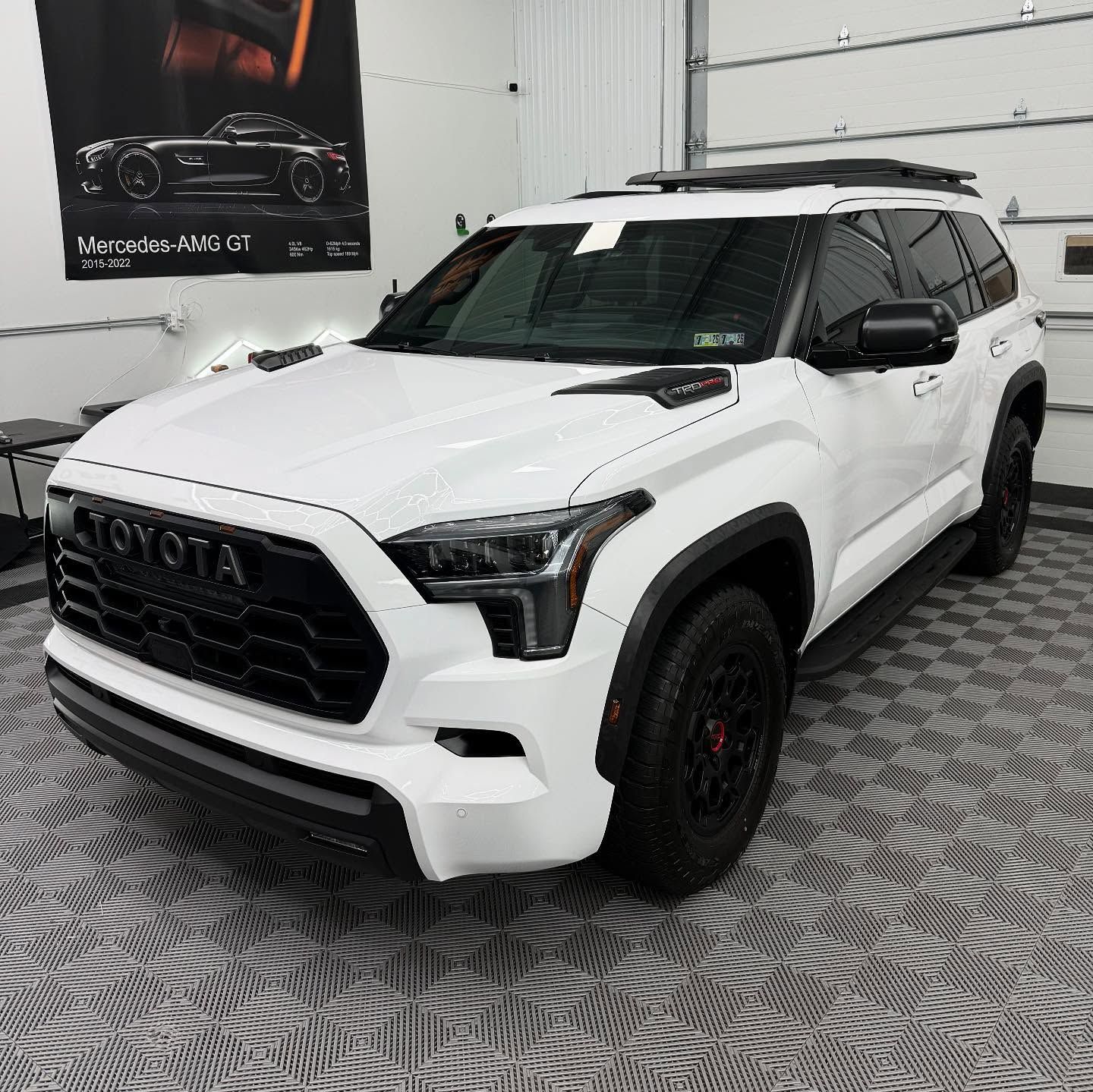
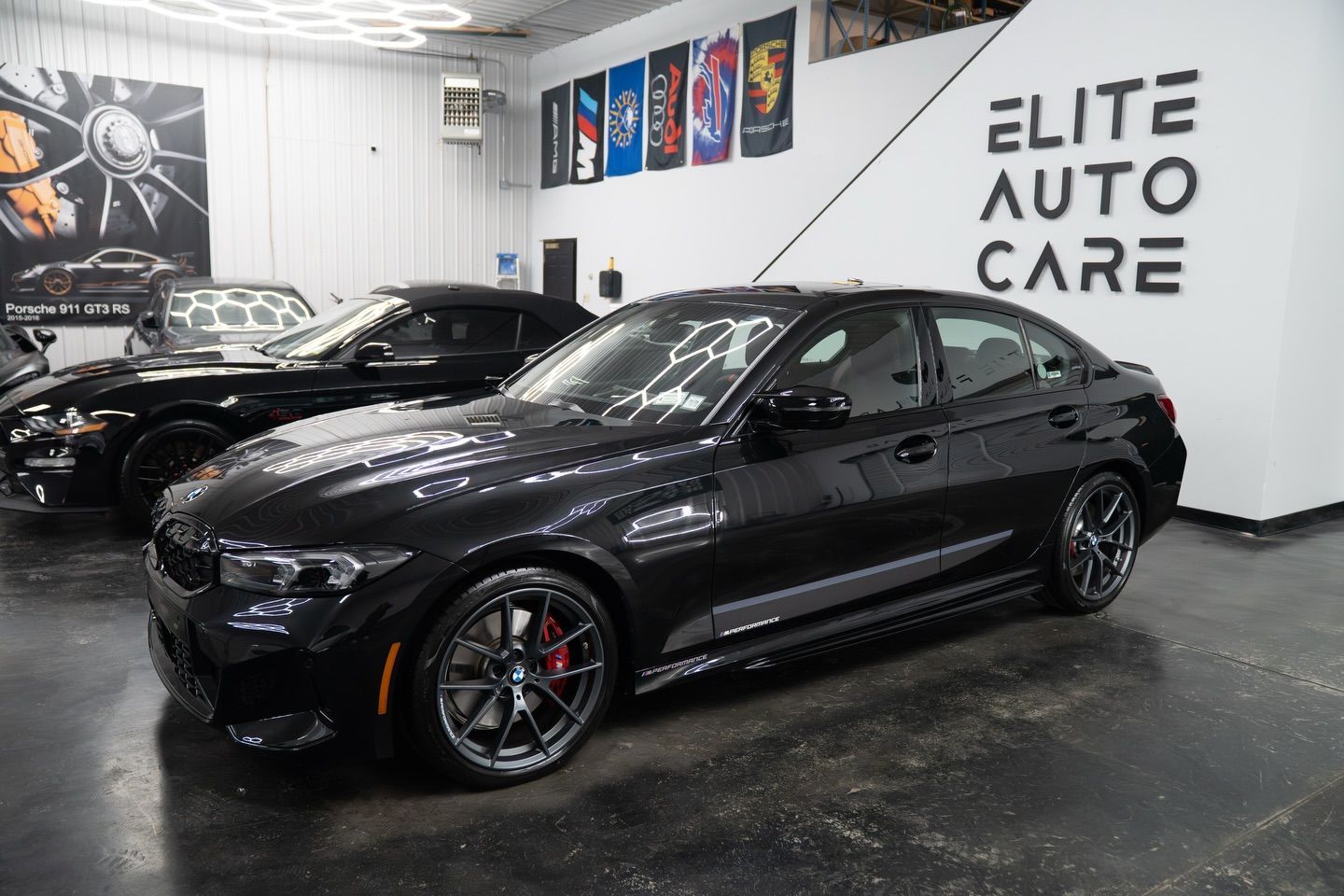
Paint protection film in Buffalo, NY gives your paint a clear layer that takes that abuse first. Because the film we install has a self-healing top coat, light scratches from winter washing and snow brushing can fade instead of piling up. Here is how road salt damages a car, how self-healing PPF fights back, and what it will and will not do for you this winter.
How Road Salt Damages Your Car’s Paint
Road salt rarely ruins paint overnight. The damage comes from what salt does alongside everything else winter throws at your car.
Salt Turns Rock Chips Into Rust Spots
A rock chip in July is a cosmetic problem. A rock chip in January is an opening. When a stone or a chunk of ice breaks through your clear coat and paint, salty slush reaches the bare metal underneath. Salt water speeds up corrosion, and rust that starts in a small chip can creep under the surrounding paint and show up later as bubbling.
Salty Grit Acts Like Sandpaper
Brine dries into a white film full of sand and road grime. Every time you brush snow off the hood, wipe a dirty panel, or wash without a good rinse, that grit drags across the finish. The result is swirl marks and fine scratches that leave your paint looking dull by spring.
Brine Clings and Keeps Working
Liquid brine is made to stick to the road, and it sticks to your car too. It holds moisture against the surface, and every slushy mile adds more. Your rocker panels, lower doors, and the areas behind your wheels take a steady spray all season. Add Buffalo’s freeze-thaw potholes and the loose debris they leave behind, and those same panels pick up chips while they sit in salt.
How Self-Healing PPF Protects Against Road Salt Paint Damage
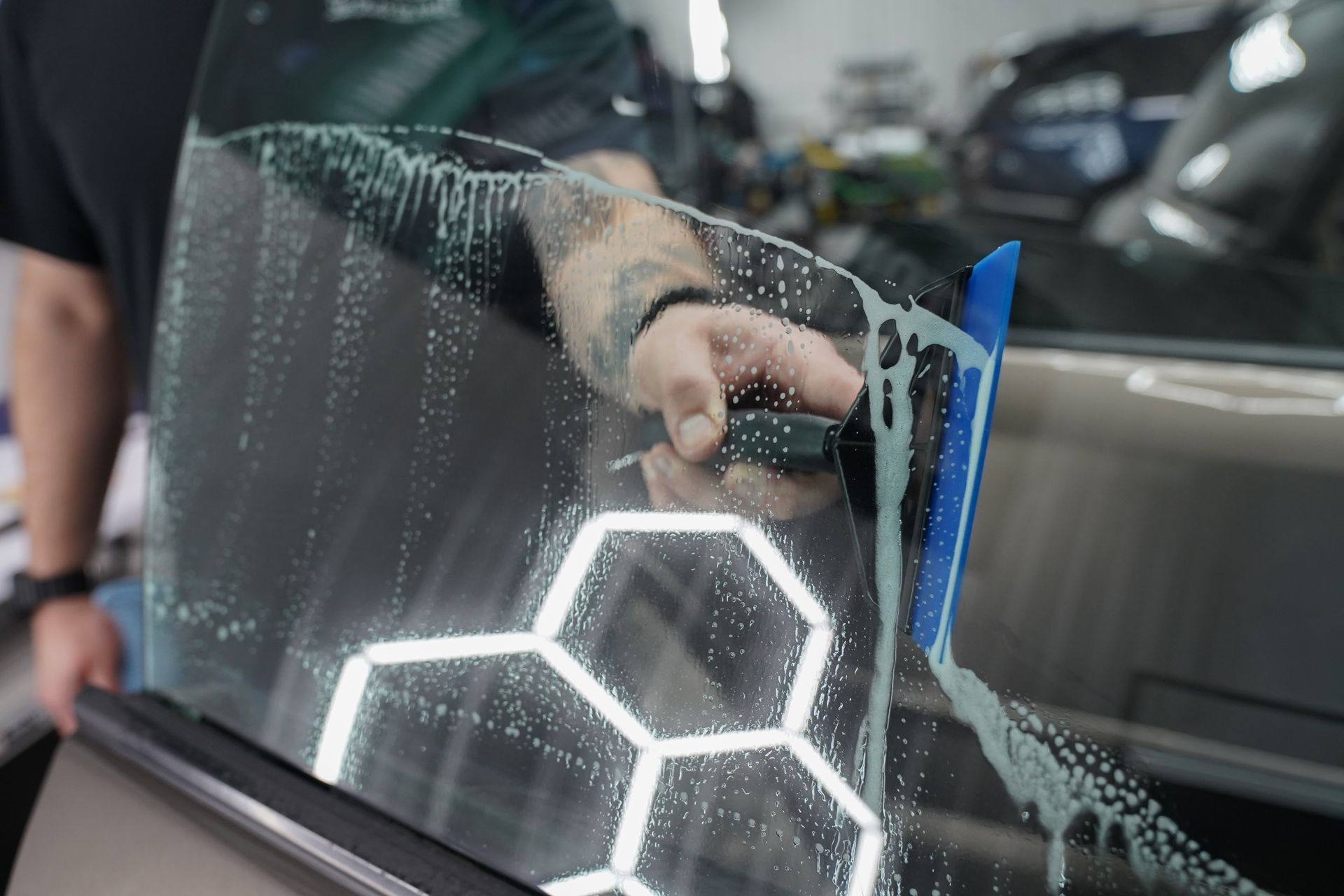
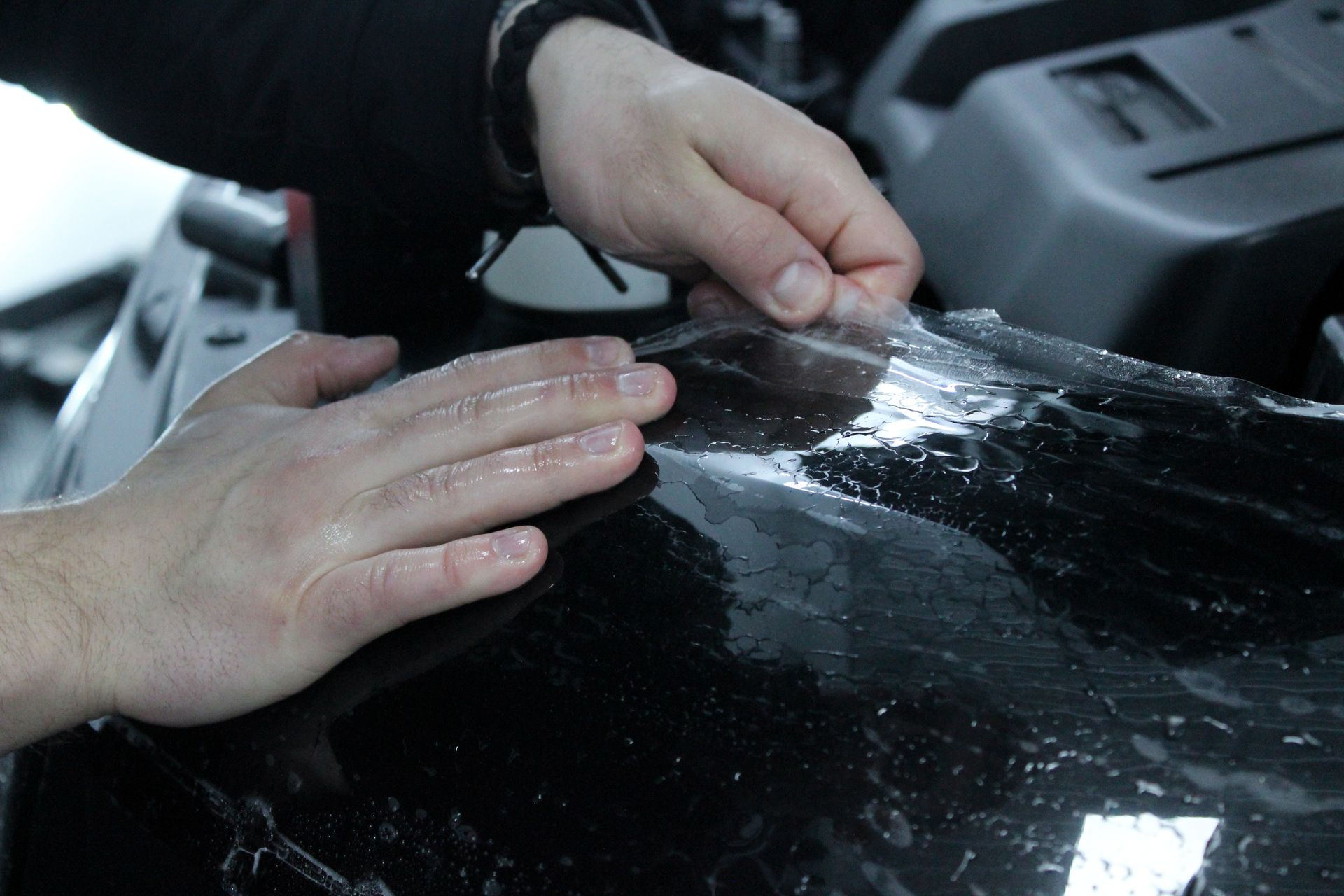
Paint protection film, also called clear bra, is a clear urethane film applied over your painted panels. It sits between your paint and the road. Here is what that means for road salt paint damage in Buffalo.
It Takes the Hit So Chips Never Reach the Metal
PPF absorbs the impact from stones, ice chunks, and road debris that would otherwise chip your paint. No chip means no opening for salt water to reach bare metal. It stops the problem before it starts.
It Keeps Salt and Slush Off Your Clear Coat
With film in place, brine, slush, and grime land on the film instead of your factory finish. Your paint stays sealed underneath, and the film cleans up like any other exterior surface.
Self-Healing Clears Up Light Winter Scratches
This is where self-healing PPF earns its name. The film’s top coat recovers from light scratches and swirl marks when it is exposed to heat. A bit of sunlight or a rinse with warm water is usually all it takes for those marks to fade.
Warm, sunny afternoons are rare in a Buffalo winter. A warm-water rinse during your regular wash or a few hours in a heated garage gives the film the heat it needs. If a few marks linger in January, the film can still recover once temperatures climb.
Self-healing is meant for light surface marks. A deep gouge or a cut through the film will not heal on its own. But the film took that damage instead of your paint, and a damaged section can be replaced.
Why We Install Legend PPF in Buffalo
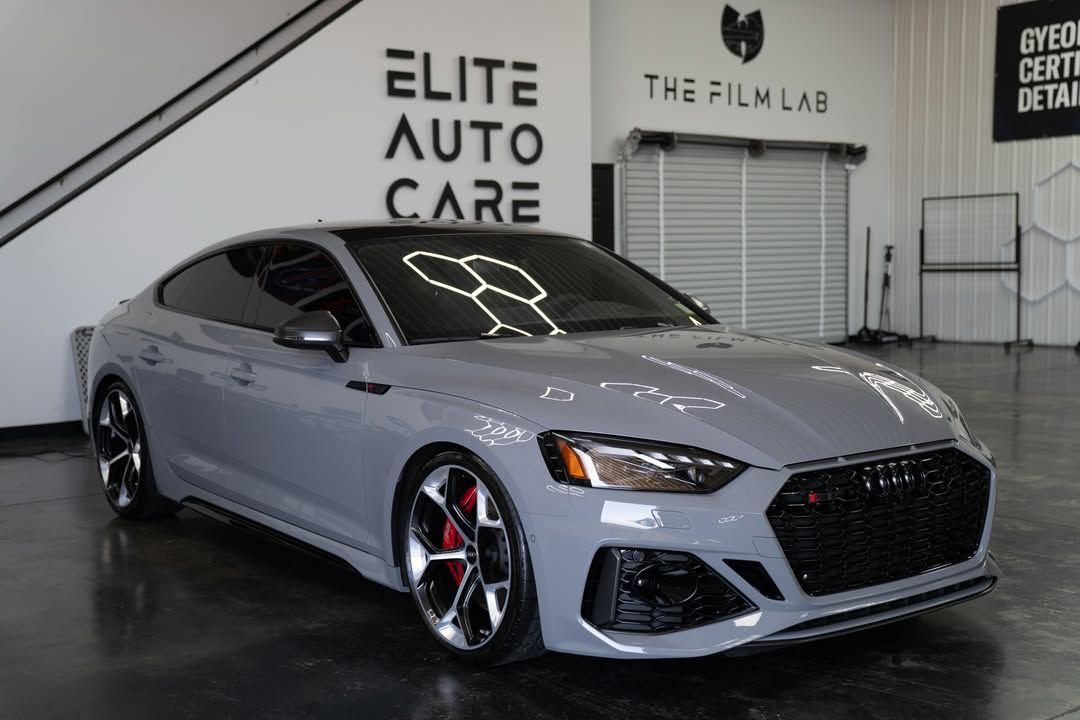
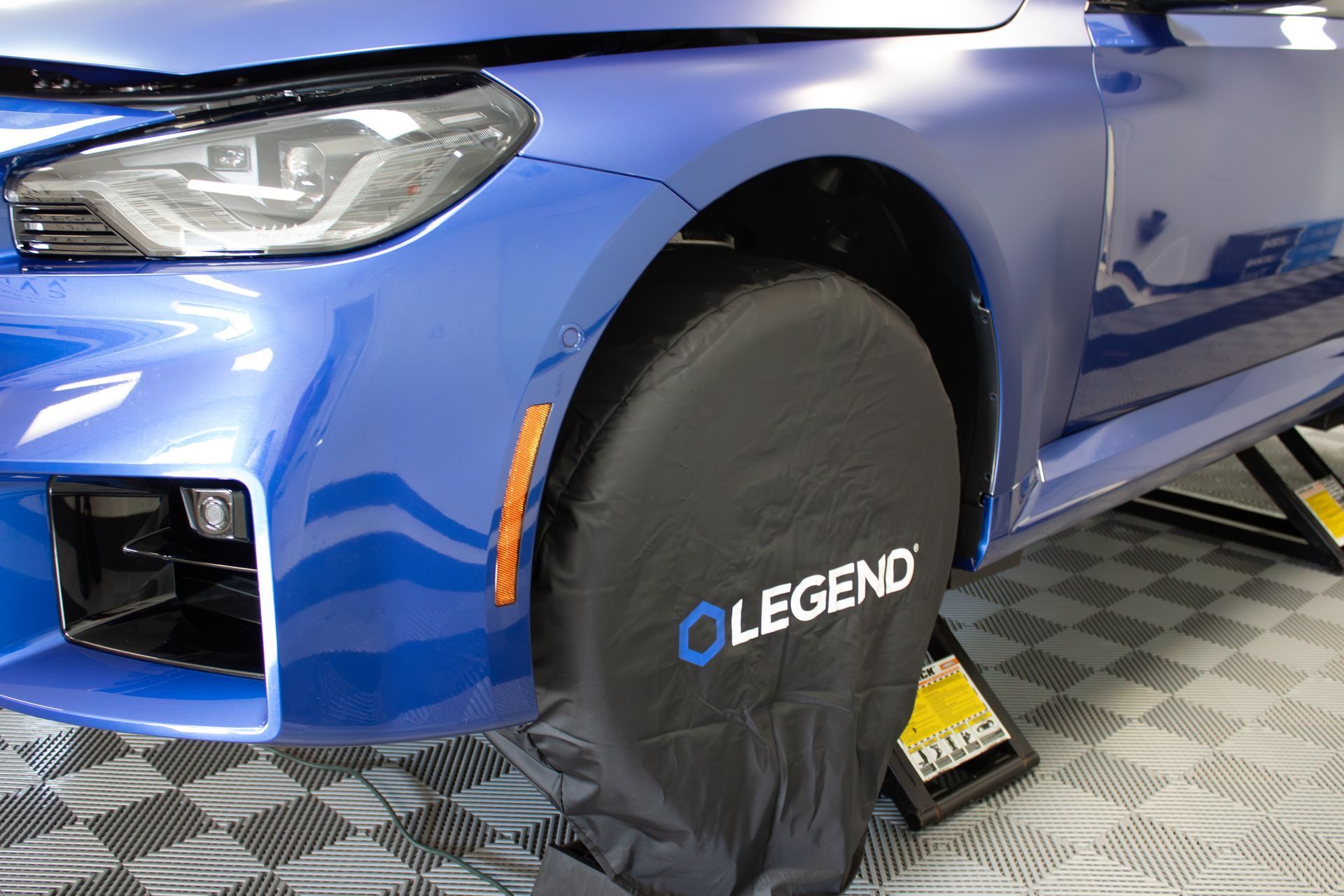
We install Legend PPF at our shop in Lancaster. It goes on crystal clear, so your factory color and gloss still show through. Its self-healing top coat handles winter swirl marks, and its built-in UV protection helps keep paint from fading once summer arrives. With proper care, the film lasts several years or more, and optional warranties are available.
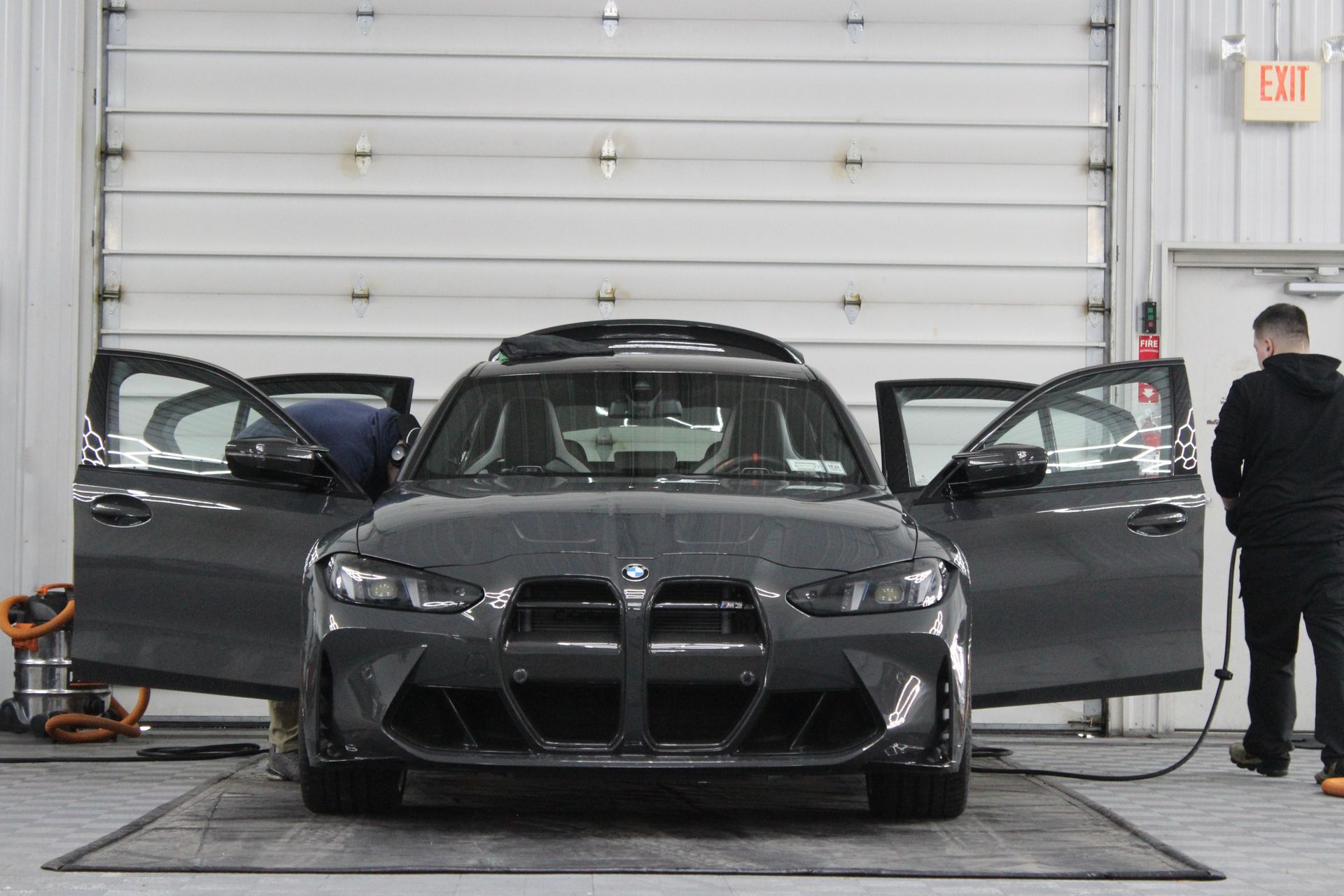
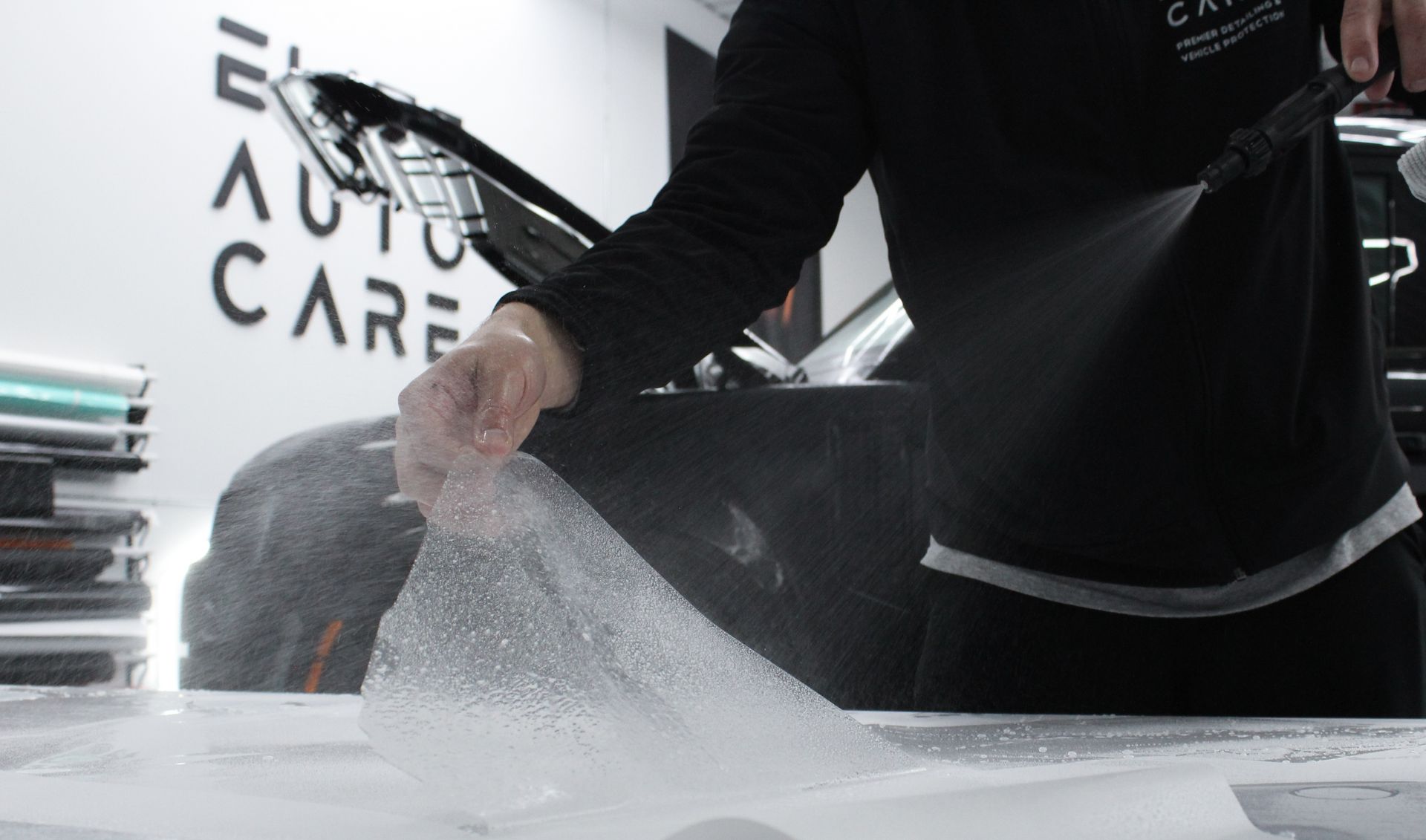
Film quality is only half the job. The install matters just as much, especially when slush and brine work at every edge. We clean and prep every surface so the film bonds properly, then cut patterns with software built for your exact vehicle, so no blades touch your paint. Our techs wrap the edges, remove bubbles, and check every corner and curve before your car goes home.
Our team holds multiple paint protection film certifications, from entry-level to master-certified. We started Elite Auto Care in 2023 after years of experience at Mercedes-Benz Buffalo, and we back our work with a 100% satisfaction guarantee.
Which Panels Need PPF for Winter Driving
PPF for winter driving in Buffalo should cover the panels that take the most salt and debris. We offer four packages:
- Partial Front End: front bumper, partial hood, partial front fenders, and headlights
- Full Front End: front bumper, full hood, mirrors, full front fenders, and headlights
- Track Package: everything in the Full Front End, plus rocker panels, fog lights, and the impact areas of the rear fenders
- Full Body: every painted surface on your vehicle
If you commute on the highway all winter, the Track Package is worth a close look. The front end takes the rock chips, but the rocker panels and the areas just behind your wheels sit in salty slush thrown up by your tires. You can compare coverage and starting prices on our paint protection film page.
Don’t forget the glass. Our windshield protection film helps guard against chips from the gravel and debris that fly up on winter highways.
What PPF Won’t Do in a Buffalo Winter
Paint protection film protects the painted panels it covers. It does not:
- Protect your undercarriage, brake lines, or the inside of your wheel wells
- Replace regular winter washes
- Fix chips or scratches that are already in the paint before install
You still need to rinse salt off your car often, including underneath, and regular exterior detailing helps keep the film clean. Skip automatic washes with spinning brushes, and follow the care tips we give you after install.
If your paint already has swirls or light scratches, paint correction before install lets the film lock in a clean finish instead of sealing over flaws. We inspect your paint before we quote the job, so you know what to expect.
Pair PPF With Ceramic Coating for Easier Winter Cleanup
PPF absorbs impacts. Ceramic coating makes your car easier to clean, which matters in salt season because the faster grime rinses off, the less time grit spends on the surface. We use GYEON ceramic coatings, and pairing any PPF package with a ceramic coating gets you a discounted bundle rate. Our post on whether ceramic coating is worth it for daily drivers in Buffalo covers the details.
The Best Time to Install PPF Is Before Salt Season
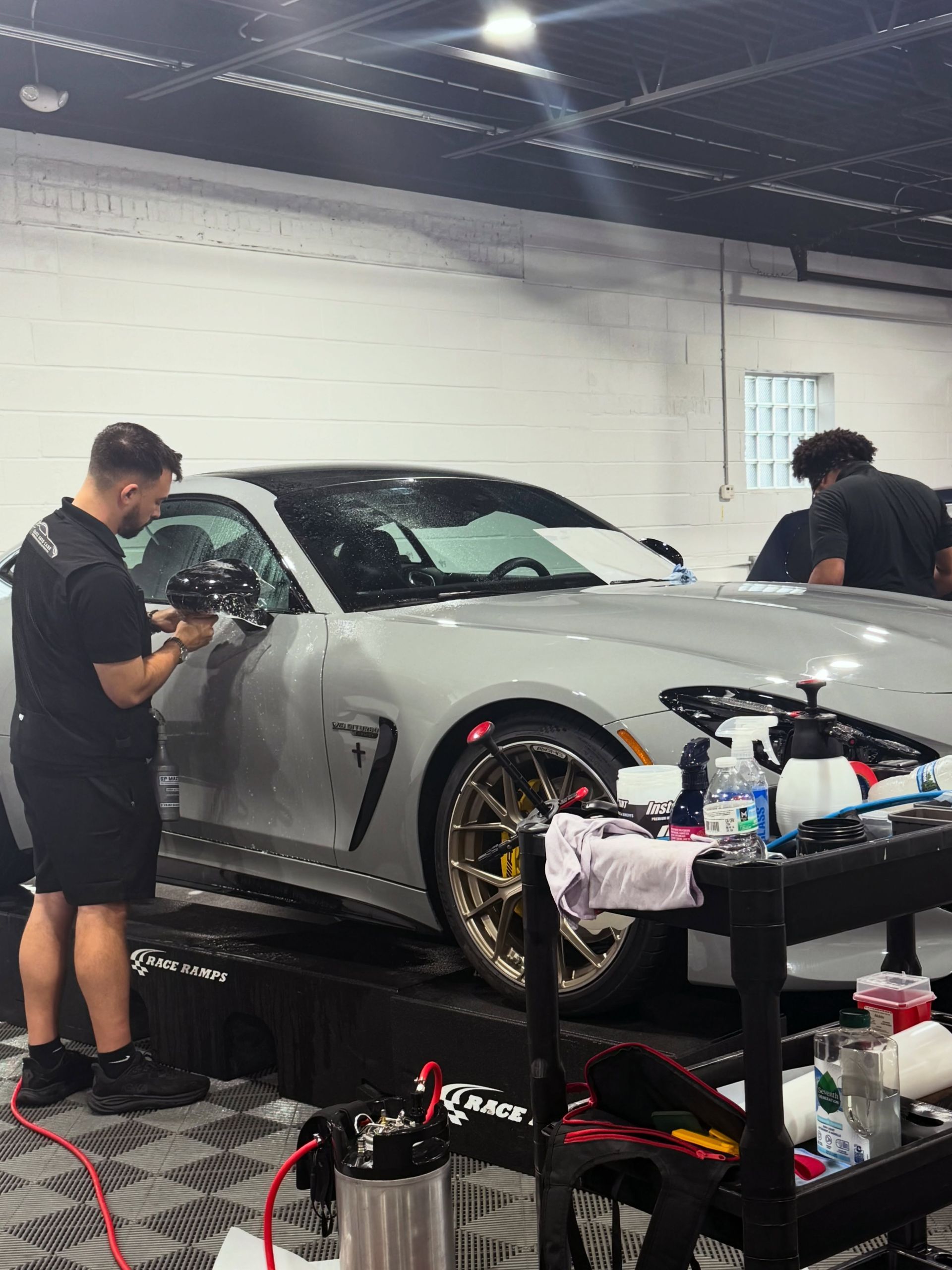

Film can’t undo damage that has already happened, so the best time to protect your paint is before the first salt hits the road. If your car picked up bugs, tar, and grime over the summer, a fall detail before install gives the film a clean surface to bond to.
That said, we install PPF year-round, so it is not too late if winter has already started. Our insured valet service can pick up your vehicle and drop it off within our service area, and flexible financing through Synchrony is available.
Frequently Asked Questions
Does road salt damage paint protection film?
PPF is designed to shield your paint from road salt, slush, and grime so your clear coat doesn’t take the hit. Rinsing salt off regularly keeps the film looking clear and clean.
Does self-healing PPF work in cold weather?
The film heals with heat. In cold weather, a warm-water rinse or time in a heated garage helps light scratches fade.
Is a clear bra the same as paint protection film?
Yes. "Clear bra" is another name for clear paint protection film. If you are shopping for a clear bra in Buffalo, NY, you are looking at the same product we install. For more answers, see our post on common PPF misconceptions.
Protect Your Paint Before Salt Season
Self-healing
paint protection film in Buffalo, NY, gives your car a clear layer that takes the chips, holds off the salt, and recovers from light winter scratches. Call
716-260-3965, or
request a free quote, and we will help you choose the right coverage for how and where you drive.